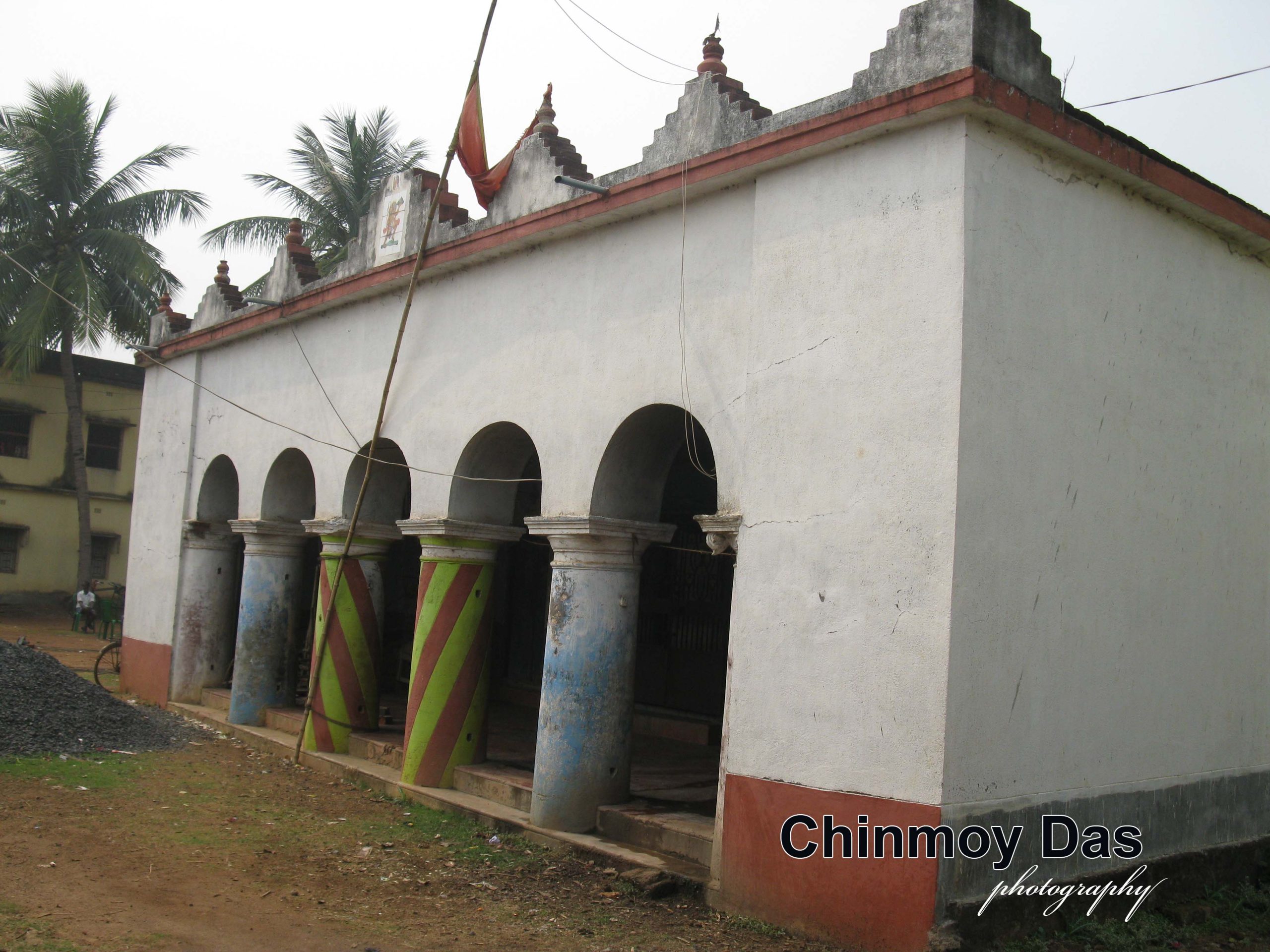
রামসীতা মন্দির, শ্যামচাঁদপুর (থানা-- কেশপুর, মেদিনীপুর)
চিন্ময় দাশ
একশ' বছরের বেশি বয়স হয়েছে, এমন মন্দির এই শ্যামচাঁদপুর গ্রামে অনেকগুলিই। তারমধ্যে সবচেয়ে কনিষ্ঠ মন্দিরটি নির্মিত হয়েছে উনিশ শতকের একেবারে গোড়ার দিকে। সেটি নিয়েই আমাদের আজকের আলোচনা।
মন্দিরের কথায় যাওয়ার আগে, গ্রামটির দিকে একবার তাকিয়ে নেওয়া যেতে পারে। উল্লেখ করবার মত অনেকগুলিই বৈশিষ্ট আছে এই গ্রামের। কয়েকটির কথা বলি এখানে--
১. শ্যামচাঁদপুর থেকে অদূরে আড়রাগড় নামে এক গ্রাম। ব্রাহ্মণভূম পরগণার জমিদার বাঁকুড়া রায়ের রাজধানি ছিল আড়রাগড়ে। ডিহিদার মামুদ শরিফের অত্যাচারে, বর্ধমানের দামিন্যা গ্রামের ভিটেমাটি ছেড়ে পালিয়ে এসে, বাঁকুড়া রায়ের আশ্রয়ে উঠেছিলেন কবি মুকুন্দরাম চক্রবর্তী। বাঁকুড়া রায়ের পুত্র রঘুনাথ রায়ের শাসনকালে চন্ডীমঙ্গল রচনা করে, "কবিকঙ্কণ " উপাধিতে ভূষিত হয়েছিলেন মুকুন্দরাম। সেসময় জমিদারের আরাধ্য দেবী জয়চন্ডীর মন্দির আর লাগোয়া শ্যামচাঁদপুর গ্রামে দীর্ঘ সময় কাটিয়েছেন কবি।
২. এক সময় নারকীয় সতীদাহ প্রথা সাড়ম্বরে প্রচলিত ছিল শ্যামচাঁদপুর এবং পার্শ্ববর্তী এলাকায়। ছোট আকারের একটি সতী-মন্দির এখনও দেখা যায় শ্যামচাঁদপুর গ্রামে। রাজা রামমোহন রায় স্বয়ং এই গ্রামে এসে বৈঠক করেছিলেন। নিবারণ করেছিলেন এই প্রথাকে। সেই মহামনীষীর পদধূলি স্পর্শে ধন্য হয়েছিল শ্যামচাঁদপুর গ্রাম।
৩. শ্যামচাঁদপুর গ্রামের ঐতিহ্যের সাথে আর যে উজ্বল চরিত্রটির নাম জড়িয়ে আছে, তিনি হলেন অমর কথাশিল্পী শরৎ চন্দ্র চট্টোপাধ্যায়। তাঁর শ্বশুরবাড়ী ছিল এই গ্রাম। রেঙ্গুনে প্লেগরোগে প্রথম স্ত্রী এবং শিশুপুত্রের মৃত্যুর পর, সেখানেই জনৈক কৃষ্ণদাস চক্রবর্তীর কন্যা হিরণ্ময়ী (ওরফে মোক্ষদা) দেবীকে বিবাহ করেছিলেন শরৎচন্দ্র। বিবাহের পরেই কৃষ্ণদাস স্বদেশে শ্যামচাঁদপুরে ফিরে এসে বসবাস করতেন। রেঙ্গুন ছেড়ে, বাংলায় ফিরে এলেও, শরৎচন্দ্র নিজে কখনও আসেননি এই গ্রামে। তবে নিয়মিত মানিঅর্ডার যোগে মাসোহারা পাঠাতেন শ্বশুরকে। হিরন্ময় দেবীকে পাঠাতেন শ্যামচাঁদপুর গ্রামে পিতার কাছে। কৃষ্ণদাসের বাস্তুভিটাটি এখনও দেখা যায় এই গ্রামে এলে।
৪. আট-আটটি প্রাচীন মন্দির আছে শ্যামচাঁদপুর গ্রামে। চারটি মন্দির গড়ে উঠেছিল ' রামানুজ সম্প্রদায় ' নামের একটি বৈষ্ণব গোষ্ঠীর মোহন্তদের হাতে। অস্তল নামে পরিচিত ছিল তাঁদের মন্দিরস্থলীটি। পঞ্চরত্ন এবং নবরত্ন রীতির দুটি শিবমন্দিরও আছে এই গ্রামে। ইংরেজ সরকারের এক বাঙালী হিন্দু দারোগা গড়েছিলেন শেষ দুটি মন্দির। তারই একটি মন্দির এই নিবন্ধের আলোচ্য।
৫. সেই দারোগা নিত্যানন্দ সিংহের মন্দির নির্মাণের পটভূমিকাটি দেখে নেওয়া যেতে পারে। ১৭৯৩ সালে চিরস্থায়ী বন্দোবস্ত প্রথা প্রচলন করেন বড়লাট কর্ণওয়ালিশ। তার অভিঘাতে কেবল বাংলার প্রাচীন জমিদারী ব্যবস্থার আমূল পরিবর্তন হয়ে যায়নি, রাজা-জমিদারদের হাজার হাজার পাইক-লেঠেল সৈন্য জীবিকাচ্যুত হয়ে গিয়েছিল। নগদ বেতনের পরিবর্তে জায়গীর জমি ভোগ করত সৈন্যরা। চাকুরিচ্যুত হয়ে বিদ্রোহে ফেটে পড়েছিল সৈন্যরা। ইতিহাসে সেই বিদ্রোহ "চুয়াড় বিদ্রোহ" নামে পরিচিত হয়েছে।
এই বিদ্রোহ তীব্র হয়েছিল কর্ণগড়ের রানী শিরোমণি দেবীর পরামর্শ ও পৃষ্ঠপোষকতা এবং গোবর্ধন দিকপতি নামক এক বিদ্রোহী নায়কের নেতৃত্বে। এইচ. ভি. বেইলি-র মেমোরেন্ডাম অব মিডনাপুর, নরেন্দ্র নাথ দাস-এর হিস্টোরি অব মেদিনীপুর ইত্যাদি গ্রন্থে, এই বিদ্রোহের বিশদ বিবরণ বর্ণিত আছে। মেদিনীপুর ফোর্টের কমান্ডার মি. গ্রেগরি-র একটি পত্র থেকে জানা যায়, ১৭৯৮ সালে চুয়াড় বিদ্রোহের তীব্রতা বৃদ্ধি পেলে, নিত্যানন্দ সিংহ নামের এক পুলিশ কর্তাকে বিদ্রোহ দমনে পাঠান হয়েছিল। নৃশংস এই দারোগা শত শত বিদ্রোহীকে হত্যা করে, বিদ্রোহ যেমন দমন করেছিলেন, শ্যামচাঁদপুর সহ কতকগুলি মৌজা দখল করে সেখানেই বসবাস শুরু করেছিলেন।
শ্যামচাঁদপুরে বসবাসকালে নিত্যানন্দের একমাত্র পুত্রের মৃত্যু হয়। শোকবিহ্বল নিত্যানন্দ গুরুর আদেশে, রামচন্দ্র-সীতাদেবী এবং লক্ষণ-এর বিগ্রহ স্থাপন করে, একটি মন্দির এবং রাসমঞ্চ প্রতিষ্ঠা করেন। সেবাপূজার ভার তুলে দেন মোহান্তদের হাতে।
বহুকাল হোল, রামানুজ সম্প্রদায় গ্রাম থেকে উঠে গিয়েছে। দেবতার সেবাপূজা এবং মন্দিরের দেখভাল গ্রামবাসীগণ করে থাকেন। নিত্যপূজা, রথযাত্রা, ঝুলন বা রাস উৎসব ইত্যাদি সকলই আড়ম্বরের সাথে আয়োজিত হয়ে থাকে এখানে।
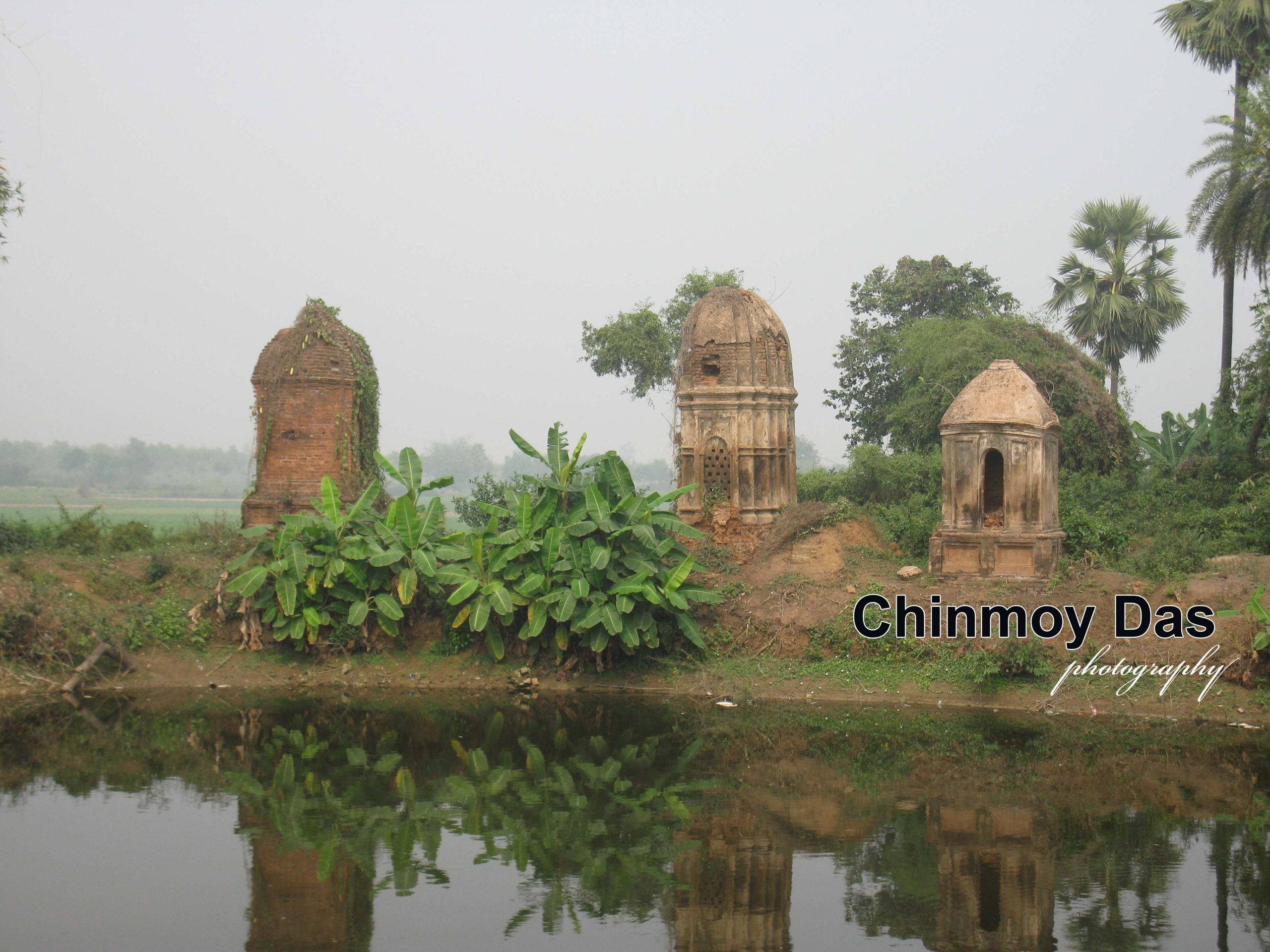
পঞ্চরত্ন বা নবরত্ন রীতির দেবমন্দির, মোহান্তদের শিখর বা চালা রীতির কয়েকটি সমাধি মন্দির আছে এখানে। কিন্তু রামসীতার মন্দিরটি নির্মিত হয়েছে দালান-রীতিতে। ইটের তৈরী চওড়া দেওয়ালের পূর্বমুখী সৌধ। সামনের অলিন্দে প্রবেশের জন্য গোলাকার থাম এবং খিলান-রীতির পাঁচটি দ্বারপথ। ভিতরের ছাদ বা সিলিং খিলান রীতিরই। কোনও অলংকরণ নাই মন্দিরে।
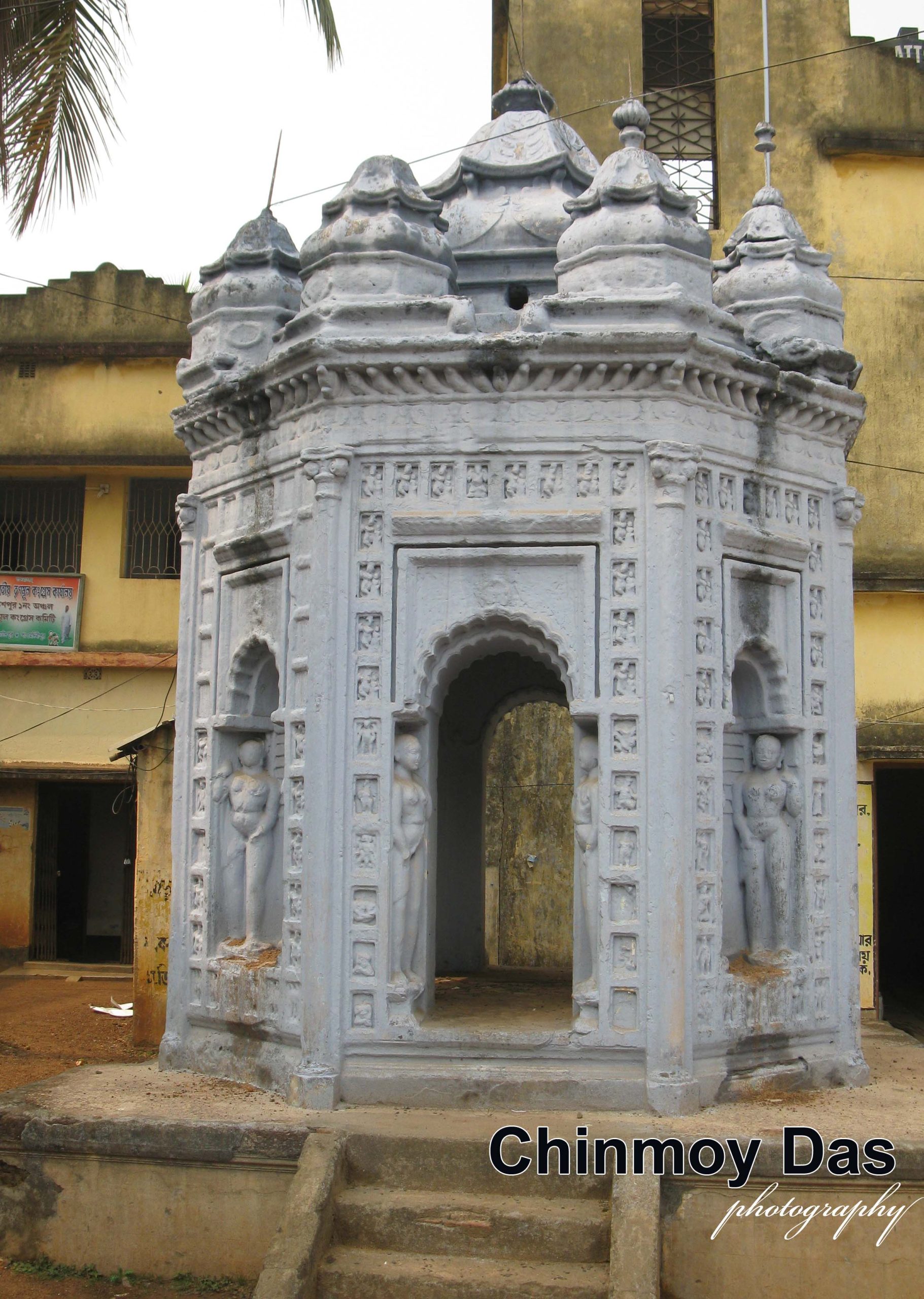
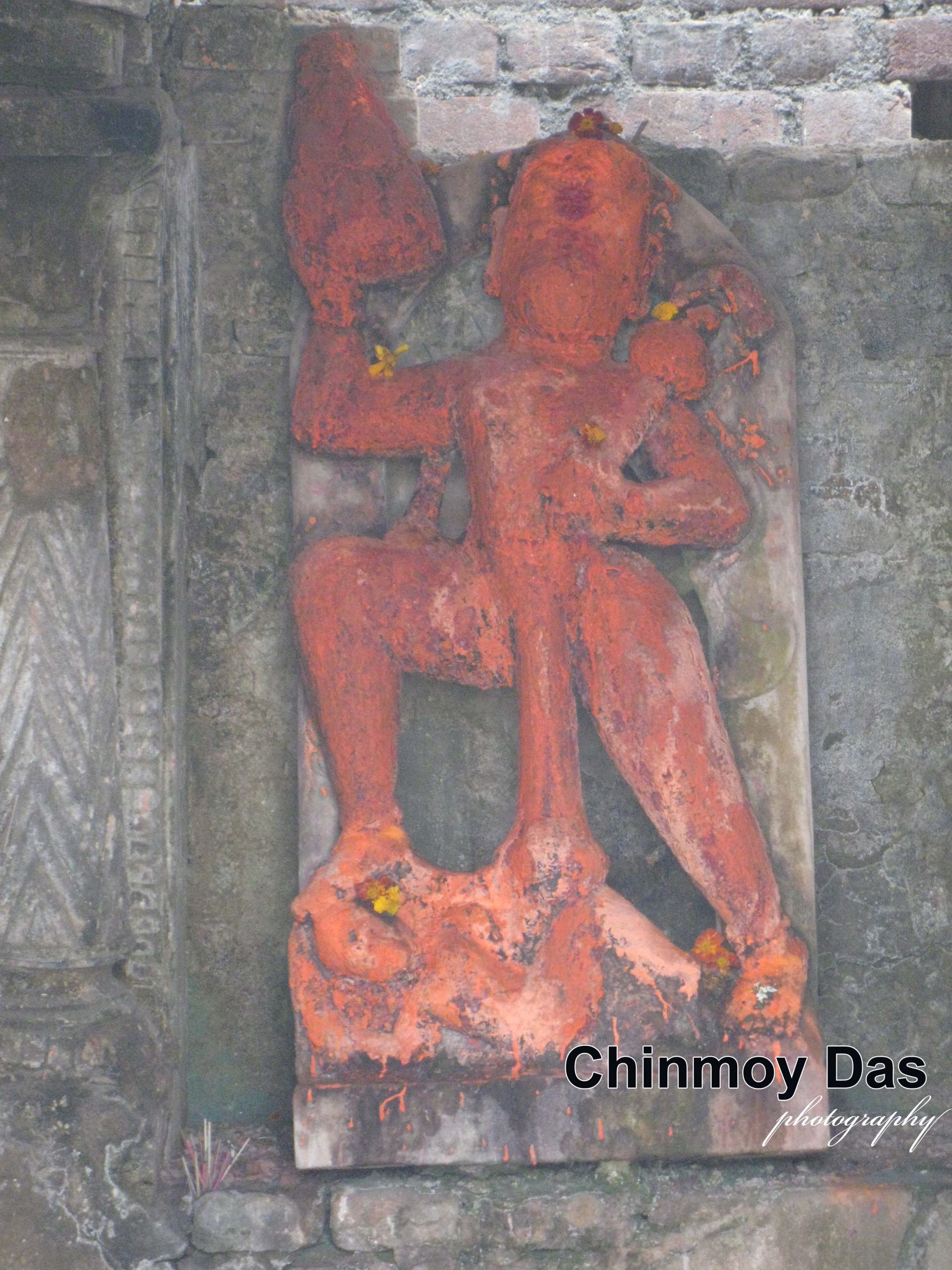
রাসমঞ্চটি বেশ উঁচু ভিত্তিবেদীর উপর স্থাপিত। 'বেহারী রসুন' রীতির ন'টি চূড়া বিশিষ্ট। তবে দ্বারপথ চারটি। বাকি চারটি 'প্রতিকৃতি দ্বার'। প্রত্যেকটিতে একটি করে দ্বারপাল মূর্তি রচিত হয়েছে। এছাড়া, খিলানের নীচ বরাবর সারি সারি কপোত এবং দ্বারপথগুলির দুই প্রান্তে খাড়া সারিতে কিছু মূর্তি দেখা যায়। তবে, সবই সাধারণ মানের।
তেমন কোনও স্থাপত্য বৈশিষ্ট নাই এই মন্দিরের। কিন্তু ব্রিটিশ ঔপনিবেশিক শাসনের বিরুদ্ধে গড়ে ওঠা প্রথ গণ-বিদ্রোহের সাক্ষ্য বহন করে চলেছে এই মন্দির। সেকারণেই তাকে আমরা স্থান করে দিয়েছি জার্নালের তালিকায়।
Ramsita Temple, Shyamchandpur (Keshpur Police Station, Medinipur)
Chinmoy Das
There are several temples in Shyamchandpur village that are more than a hundred years old. Among them, the youngest temple was built at the very beginning of the nineteenth century. It is this temple that forms the subject of our discussion today.
Before turning to the temple itself, it is worth taking a look at the village. Shyamchandpur possesses several noteworthy characteristics. A few of them are mentioned below:
1.
Not far from Shyamchandpur lies the village of Arragarh. It was the capital of Bankura Ray, the zamindar of the Brahmanbhum Pargana. Fleeing the oppression of the dehidar Mamud Sharif, the poet Mukundaram Chakrabarti left his ancestral home in Daminya village of Bardhaman and sought refuge under Bankura Ray. During the reign of Bankura Ray’s son, Raghunath Ray, Mukundaram composed the Chandimangal and earned the title “Kavikankan.” The poet spent a considerable period in the nearby village of Shyamchandpur, close to the temple of Goddess Jaychandi, the tutelary deity of the zamindars.
2.
At one time, the inhuman practice of sati was widely prevalent in Shyamchandpur and the surrounding area. A small Sati temple can still be seen in the village. Raja Rammohan Roy himself visited Shyamchandpur and held meetings here to oppose and abolish this custom. The village was thus blessed by the presence of that great reformer.
3.
Another illustrious figure associated with the heritage of Shyamchandpur is the immortal novelist Sarat Chandra Chattopadhyay. His in-laws' house was located in this village. After the death of his first wife and infant son from plague in Rangoon, Sarat Chandra married Hiranmoyee (also known as Mokshada) Devi, daughter of one Krishnadas Chakrabarti. Following the marriage, Krishnadas returned to his native village of Shyamchandpur and settled there permanently.
Although Sarat Chandra later returned to Bengal from Rangoon, he himself never visited the village. However, he regularly sent financial support to his father-in-law through money orders and frequently sent Hiranmoyee Devi to stay with her father. The homestead of Krishnadas Chakrabarti can still be seen in the village.
4.
There are eight ancient temples in Shyamchandpur. Four of them were established by the mahants of a Vaishnava sect known as the Ramanuja Sampradaya. Their temple complex was known locally as the Asthal. The village also contains two Shiva temples built in the Pancha-Ratna and Nava-Ratna styles. The last two temples were constructed by a Bengali Hindu police officer under the British administration. One of these is the subject of the present article.
5.
The background behind the temple built by that police officer, Nityananda Singh, deserves attention.
In 1793, Governor-General Lord Cornwallis introduced the Permanent Settlement. Its impact not only transformed Bengal’s traditional zamindari system but also deprived thousands of armed retainers and militia attached to kings and zamindars of their livelihoods. These soldiers had previously enjoyed jagir lands in lieu of salaries. Once displaced, they rose in rebellion. This uprising became known in history as the Chuar Rebellion.
The rebellion intensified under the guidance and patronage of Rani Shiromoni Devi of Karnagarh and the leadership of the rebel chief Gobardhan Dikpati. Detailed accounts of this revolt can be found in works such as Memorandum of Midnapore by H. V. Baily and History of Medinipur by Narendra Nath Das.
A letter written by Mr. Gregory, the commander of Medinipur Fort, reveals that when the Chuar Rebellion grew more intense in 1798, a police officer named Nityananda Singh was dispatched to suppress it. This ruthless officer crushed the uprising by killing hundreds of rebels. Having subdued the rebellion, he seized several mouzas, including Shyamchandpur, and settled there permanently.
During his residence in Shyamchandpur, Nityananda’s only son died. Grief-stricken, he followed the advice of his spiritual preceptor and established images of Lord Rama, Goddess Sita, and Lakshmana, along with a temple and a Rasmancha. The responsibility for worship and maintenance was entrusted to the mahants.
Much time has passed since the Ramanuja sect disappeared from the village. Today, the villagers themselves look after the temple and conduct the worship. Daily rituals, Rathayatra, Jhulan, and Rasa festivals are all celebrated here with great enthusiasm.
There are temples in the Pancha-Ratna and Nava-Ratna styles in the village, as well as several memorial shrines of the mahants built in the Shikhara and Chala styles. The Ramsita Temple, however, is constructed in the Dalan style.
This east-facing brick structure has thick walls. The front veranda is entered through five arched doorways supported by circular pillars. The interior ceiling is also built in the arch style. The temple contains no ornamentation.
The Rasmancha stands on a fairly high plinth. It is crowned with nine pinnacles of the Behari-Rasun type. However, it has only four actual entrances; the remaining four are false or imitation doorways. Each doorway is flanked by a door-guardian figure. In addition, rows of pigeons (kapot motifs) appear beneath the arches, while vertical rows of figures decorate the sides of the entrances. All these decorative elements are of rather ordinary quality.
Architecturally, the temple possesses no particularly remarkable features. Yet it stands as a witness to one of the earliest popular uprisings against British colonial rule. For that reason, it has earned a place in our journal.