বালিসাহী গোবিন্দরায় মন্দির রাসমঞ্চ - ভূঁঞাগড় (রামনগর-- ২)
চিন্ময় দাশ
সন তারিখের হিসাবে, সাড়ে পাঁচ শ বছরের একটি রাজবংশ। বর্তমানে ২৪/২৫ তম প্রজন্মে পৌঁছেছে বংশটি। বংশের সপ্তম জমিদার কুলদেবতার জন্য একটি মন্দির আর বিশাল আকারের রাসমঞ্চ নির্মাণ করেছিলেন। তা নিয়েই এবারের প্রতিবেদন।
দ্বাদশ থেকে ষোড়শ শতকের মাঝামাঝি-- দীর্ঘ সাড়ে চার শ বছর সময়কাল। মেদিনীপুর জেলার বহু এলাকাই ছিল কলিঙ্গ রাজাদের অধীন। বিশেষত অনঙ্গ ভীমদেবের সময়ে জেলার প্রায় পুরোটাই তাঁর অধিকারে ছিল।
আজ যেখানে পর্যটন-স্থল দীঘা,তারদুরেই ছিল বীরকুল নামে এক গ্রাম। সমুদ্রতীরের বীরকুলকে স্বাস্থ্যনিবাস হিসাবে গড়ে তুলতে চেয়েছিলেন এক ইংরেজ বড়লাট। নানান টানাপোড়েনে তা হয়ে ওঠেনি। পরে সমুদ্রে তলিয়ে গিয়েছে পুরো গ্রামটিই।
মোগল আমলে বীরকুল ছিল একটি পরগণা। তার করদ রাজা ছিলেন এক খণ্ডাইত সর্দার। সর্দার একবার কলিঙ্গরাজকে খাজনা পাঠানো বন্ধ করে দেন। সেসময় কলিঙ্গ রাজ দরবারে 'বিলাইতি ক্যানুনগো' ছিলেন জনৈক ভূঁঞা বিশ্বনাথ দাস। কলিঙ্গরাজের আদেশে বীরকুল এসে, বিদ্রোহী সর্দারকে উৎখাত এবং নিজের জমিদারি প্রতিষ্ঠা করেন তিনি।
বিশ্বনাথের আদি নিবাস ছিল ওডিশার কটক জেলার বালিবিশু গ্রামে। বাংলার বীরকুলে নতুন জমিদারি প্রতিষ্ঠা করে, নামকরণ করলেন-- বালিসাহী। রাজধানীর নাম হল-- ভূঁঞাগড়। সেখানে অট্টালিকা গড়ে, স্থায়ী বসবাস শুরু হল।
পরে, কলিঙ্গরাজ জমিদারী সনন্দ আর ' চৌধুরী ' খেতাব দিয়েছিলেন বিশ্বনাথকে। তখন থেকে নতুন রাজবংশের পদবী হয়েছিল-- ' ভূঁঞা চৌধুরী কানুনগো বিলায়তি '।
আরও পরে, এই বংশের ষোড়শতম রাজা ভূঁঞা নীলাম্বর দাস মারাঠাশক্তি বা বর্গীবাহিনীর অধীনতা স্বীকার করে নেন। তাদের কাছ থেকে ' বলিয়ার সিংহ ' খেতাব এবং বহু পরিমাণ অস্ত্রশস্ত্র পেয়েছিলেন তিনি। দুটি কামানও ছিল অস্ত্রসম্ভারে। পরে ইংরেজ সরকারও কামান দুটি ব্যবহারের অনুমতি দিয়েছিল ভূঁঞাবংশকে। রাজবাড়িতে এখনও আছে কামান দুটি।
ভূঁঞাগড় প্রতিষ্ঠার সময় থেকেই শৈব ও শাক্ত-- দুই মতে দেবারাধনা প্রচলিত ছিল পরিবারে। ছিল শিব ও কালীর দুটি মন্দিরও। পরে চৈতন্যদেবের প্রচারিত প্রেমধর্মের প্রভাবে বৈষ্ণবীয় রীতিতে দেবসেবার প্রচলন হয় এই পরিবারে।
ভূঁঞাগড়ে তখন সপ্তম প্রজন্মে জমিদার হয়েছেন শ্যামসুন্দর দাস। একবার এক সন্ন্যাসী ঠাকুর তীর্থ পরিক্রমায় এসে জমিদারবাড়িতে উঠেছিলেন। বিদায়ের সময় নিজের আরাধ্য কৃষ্ণমূর্তিটি জমিদারের হাতে তুলে দিয়ে যান তিনি। সেই মূর্তি প্রতিষ্ঠা করে পূজার প্রচলন হয় ভূঁঞাগড়ে। বিগ্রহের নামও হয়-- সন্ন্যাসী মূর্তি। সেই মূর্তি চুরি হয়ে যাওয়ার পর, মন্দিরে গোবিন্দরায় জীউ নামের পাথরের শ্রীকৃষ্ণ ও পেতলের রাধারাণীর বিগ্রহ অধিষ্ঠিত আছেন।
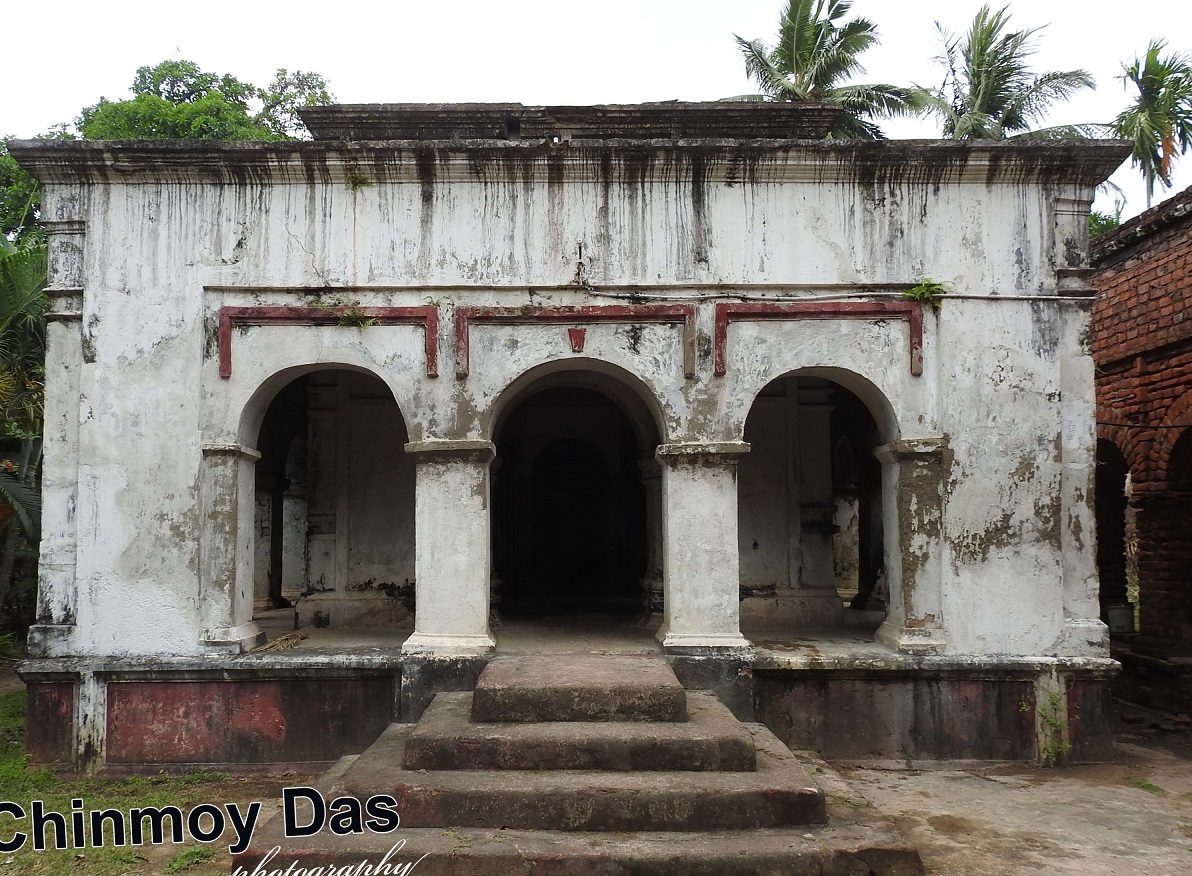
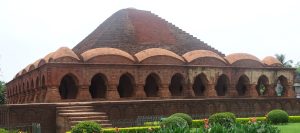
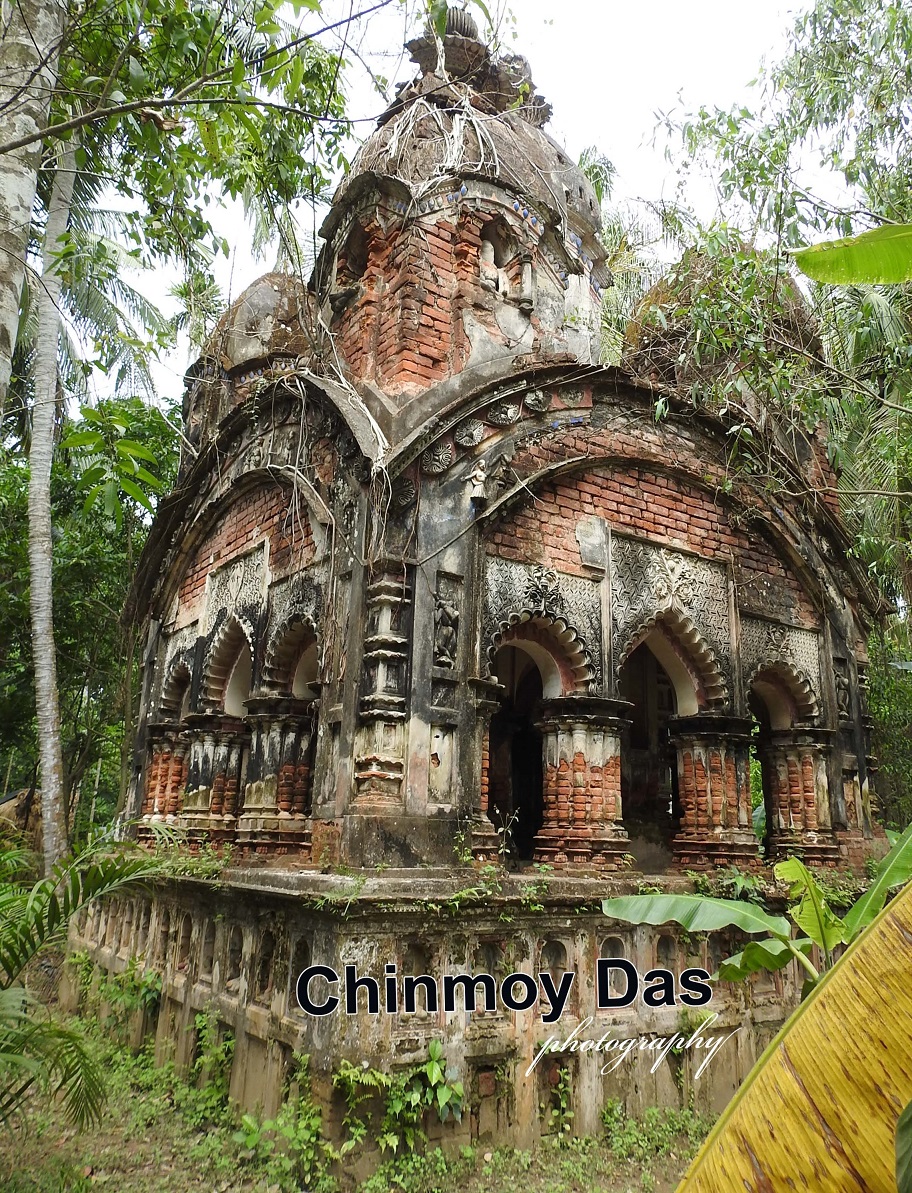
গোবিন্দরায়ের মন্দিরটি দালান-রীতির। খিলান-রীতির তিন-দুয়ারী অলিন্দ আর এক-দুয়ারী গর্ভগৃহ নিয়ে একেবারে রাজকীয় গড়ন সেই মন্দিরের। তবে আমরা এখানে বিবরণ দেব দেবতার রাসমঞ্চটির। কেননা, বিশাল আকারের নব-রত্ন বিশিষ্ট সেই সৌধকে রাসমঞ্চ না বলে, রাসমন্দির বলাই সঙ্গত।
জমিদারী উচ্ছেদের পর, সেবাপূজা আর উৎসবের আড়ম্বর আর নাই। রাস উৎসবটিও ম্লান হয়েছে। দেবতা রাসমঞ্চে আর আসেন না মন্দির থেকে। ফলে, রাসমঞ্চটি বহুকাল পরিত্যক্ত। অনাদরে অবহেলায় ভারী জীর্ণ দশা সেটির। তবে সৌধটির রাজকীয় গড়ন, তার রূপের বৈভব আজও বেশ অনুভব .করা যায়।
রাসমঞ্চটির প্রথম বৈশিষ্ট এর ফুট পাঁচেক উচ্চতা। চারদিক জুড়ে প্রশস্ত প্রদক্ষিণ পথ। ভিতরে আবৃত অলিন্দ, চার দিক জুড়েই। মৃদঙ্গ আর খঞ্জনী বাজিয়ে নৃত্য করতেন কীর্তনীয়ার দল। প্রতিটি অলিন্দে তিনটি করে দ্বারপথ। অলিন্দের সিলিং হয়েছে টানা-খিলান রীতিতে। ভিতরে উন্মুক্ত গর্ভগৃহ, তার সিলিং গম্বুজ রীতির। পাঁচটি রত্নের গড়ন চালা-রীতির। গর্ভগৃহের কার্নিশগুলি ভারী সুন্দর। তার বঙ্কিম ভাবটি সুন্দরী রমণীর আয়ত আঁখিপল্লবের মত মনোরম।
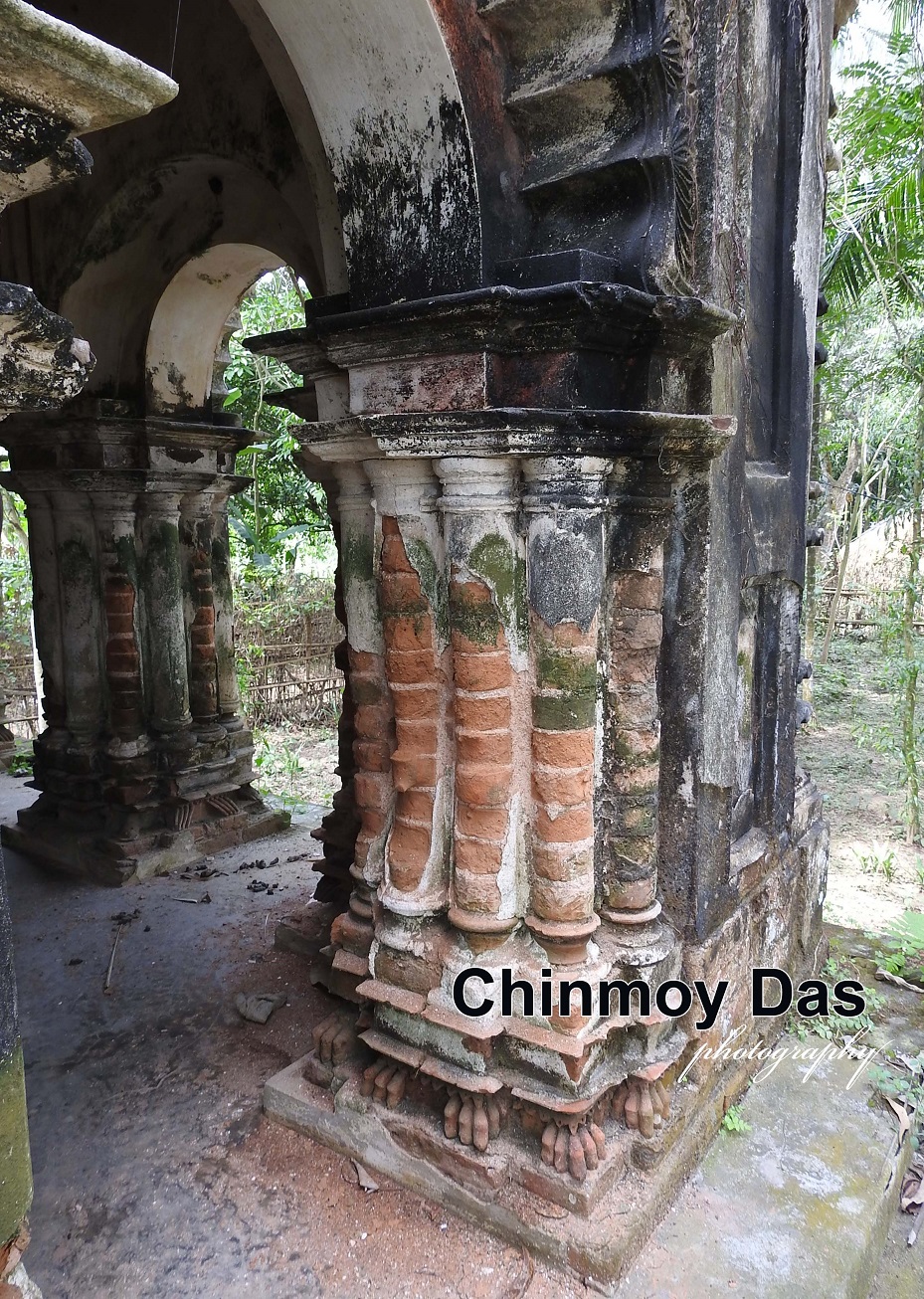
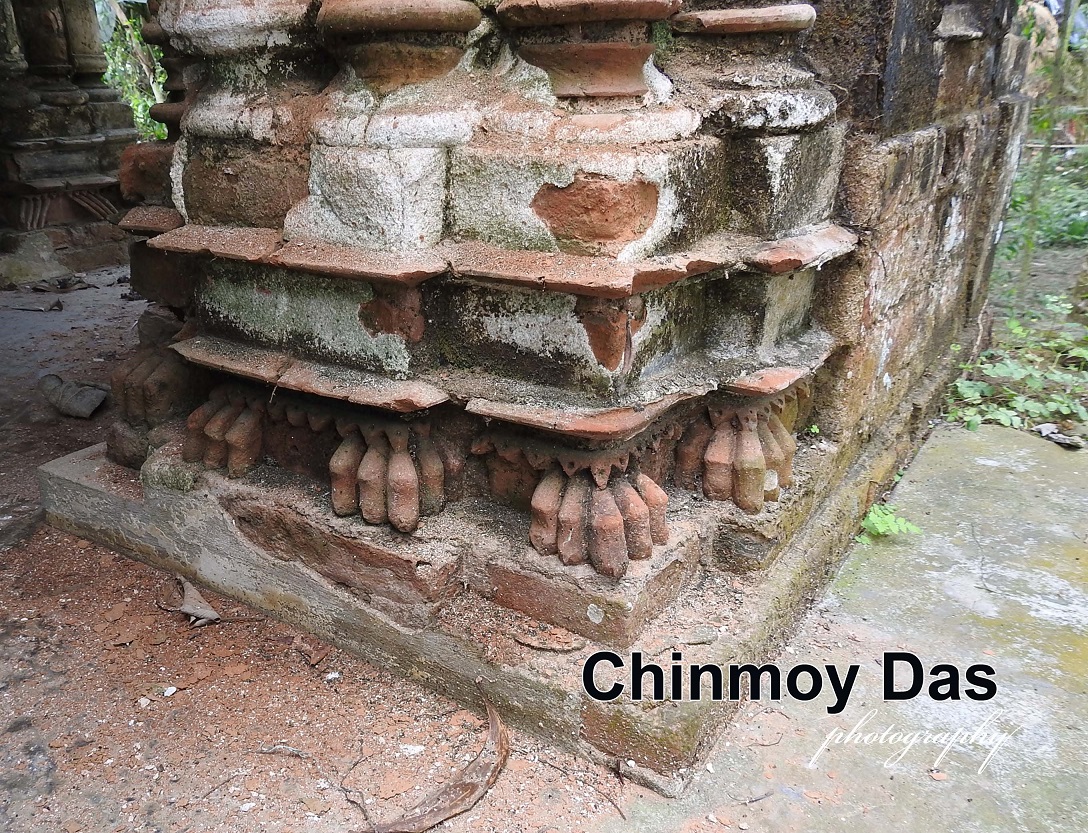
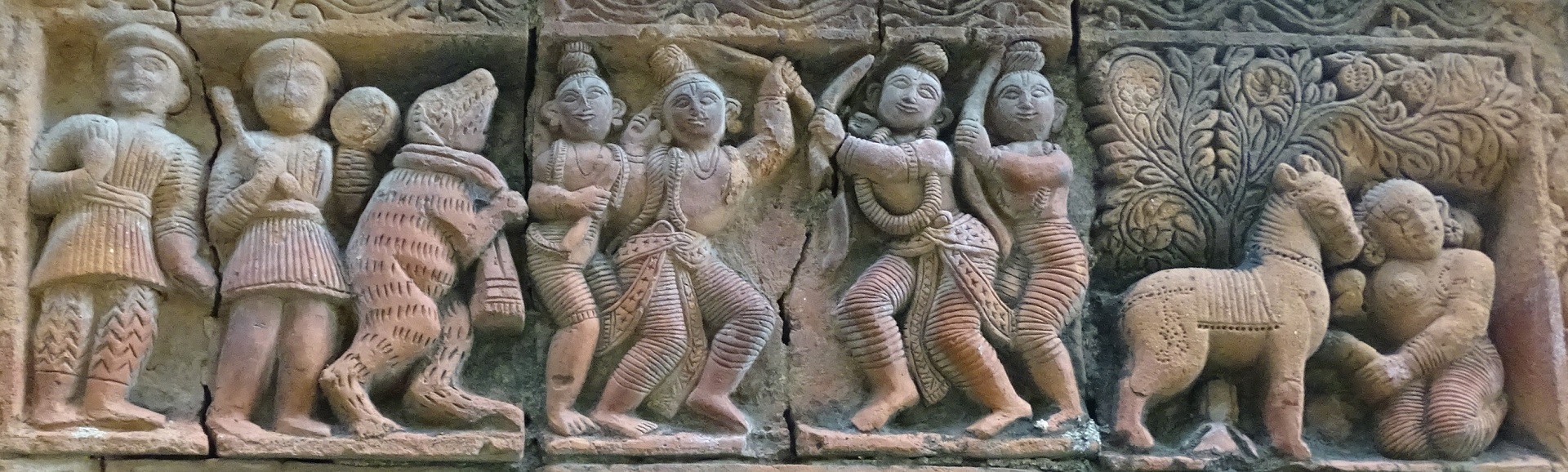
উল্লেখ করতে হয় এর টেরাকোটা ফলকগুলির কথাও । সবই বড় আকারের মূর্তি। সমাবেশ হয়েছে প্রতিটি থামের দু'পাশে। বাদ্যকর-বাদ্যকরী, ব্রাহ্মণ-ব্রাহ্মণী ইত্যাদি নানাতর মোটিফ। বিস্ময়ে বোবা হয়ে দাঁড়িয়ে থাকতে হয়।
কিন্তু অবহেলায় অনাদরে সবই নষ্ট হয়ে চলেছে। না সেবাইত পরিবার, না পুরাতত্ত্ব দপ্তর-- কারও উদ্যোগ নাই সৌধটিকে বাঁচাবার।
Balisahi Govindaray Temple Ras Mancha –Bhunyagarh (Ramnagar–2)
Chinmoy Das
By chronological reckoning, this is a royal lineage about five and a half centuries old. At present, it has reached its 24th/25th generation. The seventh zamindar of the family built a temple for the family's tutelary deity and a massive Rasmancha (festival pavilion). This report is about that.
From the 12th century to the middle of the 16th century—a span of four and a half centuries—many parts of the Medinipur district were under the rule of the kings of Kalinga. Especially during the reign of Ananga Bhimadeva, nearly the entire district was under his control.
Not far from where the tourist destination Digha stands today, there was once a village called Birkul. A British Governor-General had wanted to develop the seaside village of Birkul into a health resort. Due to various complications, that never materialized. Later, the entire village was swallowed by the sea.
During the Mughal period, Birkul was a pargana (administrative division). Its tributary ruler was a Khandayat chief. Once, the chief stopped sending tribute to the king of Kalinga. At that time, a certain Bhunya Vishwanath Das served as the "Bilayati Kanungo" in the Kalinga royal court. By the order of the Kalinga king, he came to Birkul, overthrew the rebellious chief, and established his own zamindari.
Vishwanath's ancestral home was in the village of Balibishu in Odisha's Cuttack district. After establishing his new zamindari in Birkul, Bengal, he named it Balisahi. The capital was named Bhunyagarh. A grand palace was built there, and permanent residence began.
Later, the king of Kalinga formally granted Vishwanath the zamindari and conferred upon him the title of "Chowdhury." From then on, the surname of the new royal lineage became "Bhunya Chowdhury Kanungo Bilayati."
Still later, the sixteenth ruler of this lineage, Bhunya Nilambar Das, accepted the suzerainty of the Maratha power, or the Bargi forces. They conferred upon him the title of "Balliar Singh" and presented him with a large quantity of weapons, including two cannons. The British government later also permitted the Bhunya family to retain the use of these two cannons. They are still preserved in the royal residence.
From the very establishment of Bhunyagarh, both Shaiva and Shakta forms of worship were practiced in the family. There were also temples dedicated to Shiva and Kali. Later, under the influence of the devotional movement propagated by Chaitanyadeva, Vaishnavite forms of worship became established within the family.
By then, Shyamsundar Das had become the zamindar in the seventh generation. Once, a wandering ascetic stayed at the zamindar's residence during a pilgrimage. Upon departing, he entrusted his cherished idol of Krishna to the zamindar. The idol was installed at Bhunyagarh, and worship began there. The deity became known as the "Sannyasi Murti." After that idol was stolen, the temple came to house a stone image of Shri Krishna known as Govindaray Jiu and a brass idol of Radharani.
The temple of Govindaray is built in the *dalan* style. With its three-arched entrance veranda and single-doored sanctum, the temple has an unmistakably regal design. However, our focus here is the deity's Rasmancha. In fact, considering its grand nine-spired architecture, it would be more appropriate to call it a Rasmandir rather than merely a Rasmancha.
After the abolition of the zamindari system, the grandeur of worship and festivals disappeared. The Ras festival itself has faded. The deity is no longer brought from the temple to the Rasmancha. As a result, the Rasmancha has remained abandoned for many years. Neglect and indifference have left it in a severely dilapidated condition. Yet, the majestic structure and architectural splendor of the monument can still be vividly felt.
The first notable feature of the Rasmancha is its height of about five feet above the ground. A broad circumambulatory path surrounds it on all sides. Inside is a covered veranda extending all around. Groups of kirtan singers once performed there, dancing to the accompaniment of the *mridanga* and *khanjani*. Each veranda has three doorways. The ceiling of the veranda is built in the barrel-vault style, while the open sanctum inside has a domed ceiling. Five of the nine spires are built in the *chala* style. The cornices of the sanctum are particularly beautiful, their graceful curves resembling the elongated eyelids of a beautiful woman.
Its terracotta panels also deserve special mention. They are all large sculptural figures, arranged on both sides of each pillar. The motifs include male and female musicians, Brahmins and Brahmin women, and many other subjects. One is left standing speechless in amazement.
But everything is steadily deteriorating through neglect and indifference. Neither the family of temple custodians nor the Archaeology Department has taken any initiative to preserve this magnificent monument.